
Cancer Screening Tests in Bhopal play an important role in detecting certain cancers before symptoms become noticeable. Screening does not mean that a person has cancer. Instead, it involves specific tests that can identify early changes or signs of cancer in people who may not have symptoms.
Early detection can make a significant difference because some cancers are easier to treat when identified at an earlier stage. The appropriate screening test depends on factors such as age, sex, family history, personal medical history, lifestyle, and individual risk factors.
Krishna Cancer Hospital, a trusted cancer hospital in Bhopal, focuses on comprehensive cancer care, including awareness, early evaluation, diagnosis, treatment planning, and supportive care. With experienced oncology professionals, modern diagnostic facilities, and patient-focused services, the hospital supports patients through different stages of their cancer care journey.
Best Cancer Hospital in Bhopal – Krishna Cancer Hospital
Best Cancer Hospital in Bhopal care involves more than cancer treatment alone. Early awareness, appropriate screening, accurate diagnosis, personalized treatment planning, and continuous follow-up are all important components of comprehensive oncology care.
Krishna Cancer Hospital is a professionally managed cancer hospital in Bhopal established in 2018. The hospital provides personalized cancer care with a focus on accurate diagnosis, customized treatment planning, and patient support.
The hospital provides a 24×7, 30-bedded facility with modern ICU facilities, a fully equipped pathology laboratory, a digitalized X-ray unit, a 24-hour pharmacy, private rooms, general wards, and a fully equipped modular operation theatre.
Krishna Cancer Hospital focuses on helping patients and families understand their diagnosis and available treatment options while providing compassionate support throughout their healthcare journey.
What Are Cancer Screening Tests?
Cancer Screening Tests are medical tests performed to look for certain types of cancer or precancerous changes in people who do not have obvious symptoms.
Screening is different from diagnostic testing. A screening test may indicate that further evaluation is needed, but it does not always confirm cancer.
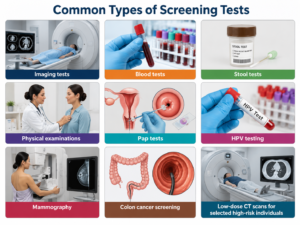
Depending on the type of cancer, screening may involve:
- Imaging tests
- Blood tests
- Stool tests
- Physical examinations
- Pap tests
- HPV testing
- Mammography
- Colon cancer screening
- Low-dose CT scans for selected high-risk individuals
Not every cancer has an effective routine screening test. Screening recommendations should therefore be based on established medical guidelines and individual risk.
Why Is Cancer Screening Important?
Cancer Screening in Bhopal can help identify certain cancers at an early stage, sometimes before symptoms develop. Early detection may provide more treatment options and can improve outcomes for several types of cancer.
Regular screening may be particularly important for people who have:
- A family history of cancer
- Previous cancer or precancerous conditions
- Certain inherited genetic risks
- Long-term tobacco exposure
- Significant alcohol exposure
- Certain occupational or environmental exposures
- Age-related cancer risk
However, screening is not appropriate for every person or every cancer. A healthcare professional can help determine which screening tests are suitable.
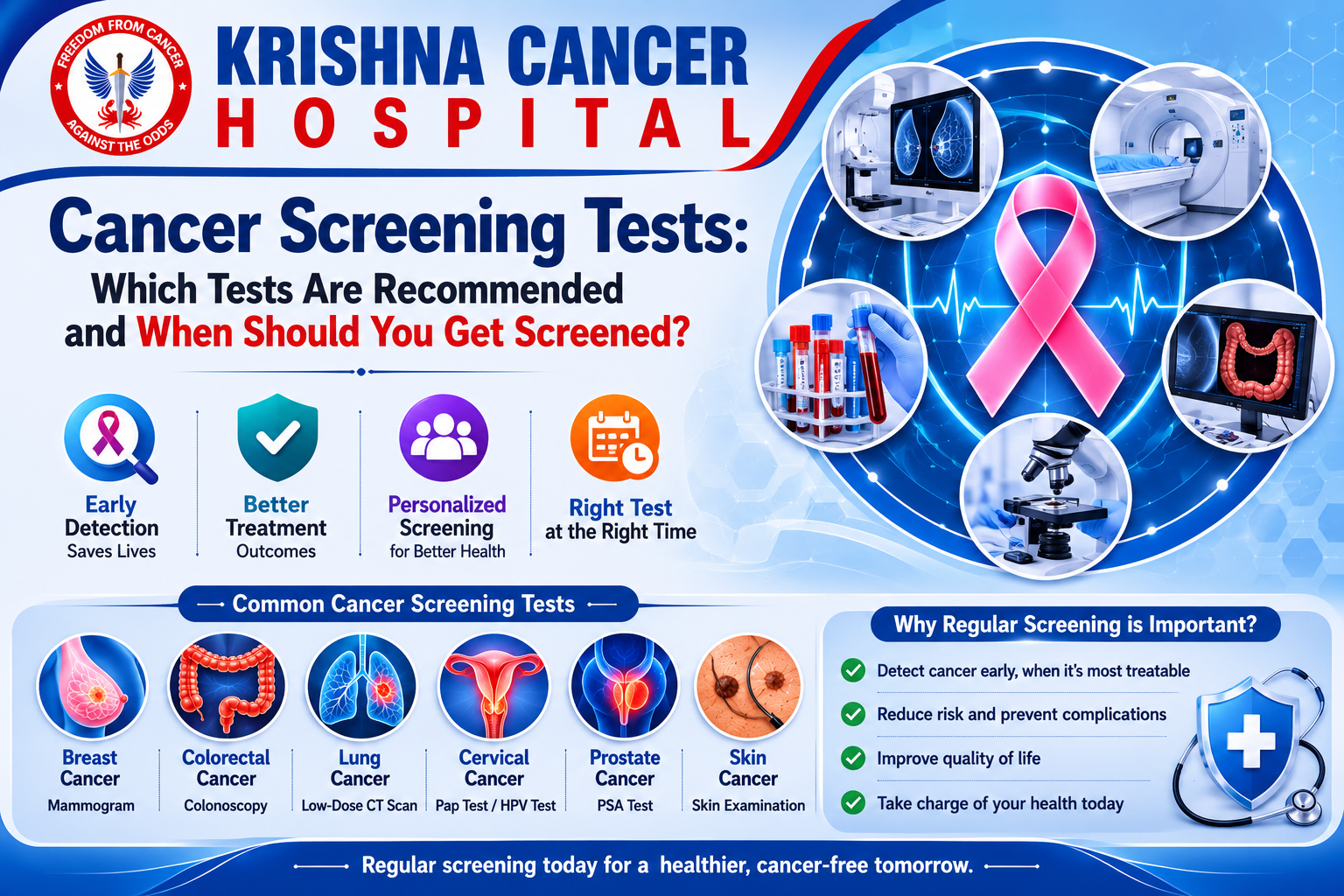
Common Cancer Screening Tests
Cancer Screening Tests in Bhopal may vary according to the type of cancer and a person’s individual risk. Some of the commonly recommended screening approaches include the following.
1. Breast Cancer Screening
Mammography is commonly used to screen for breast cancer in women at appropriate ages and risk levels. Depending on individual circumstances, a doctor may also recommend additional imaging or evaluation.
Women should discuss their age, family history, breast health, and personal risk factors with a healthcare professional to determine an appropriate screening schedule.
2. Cervical Cancer Screening
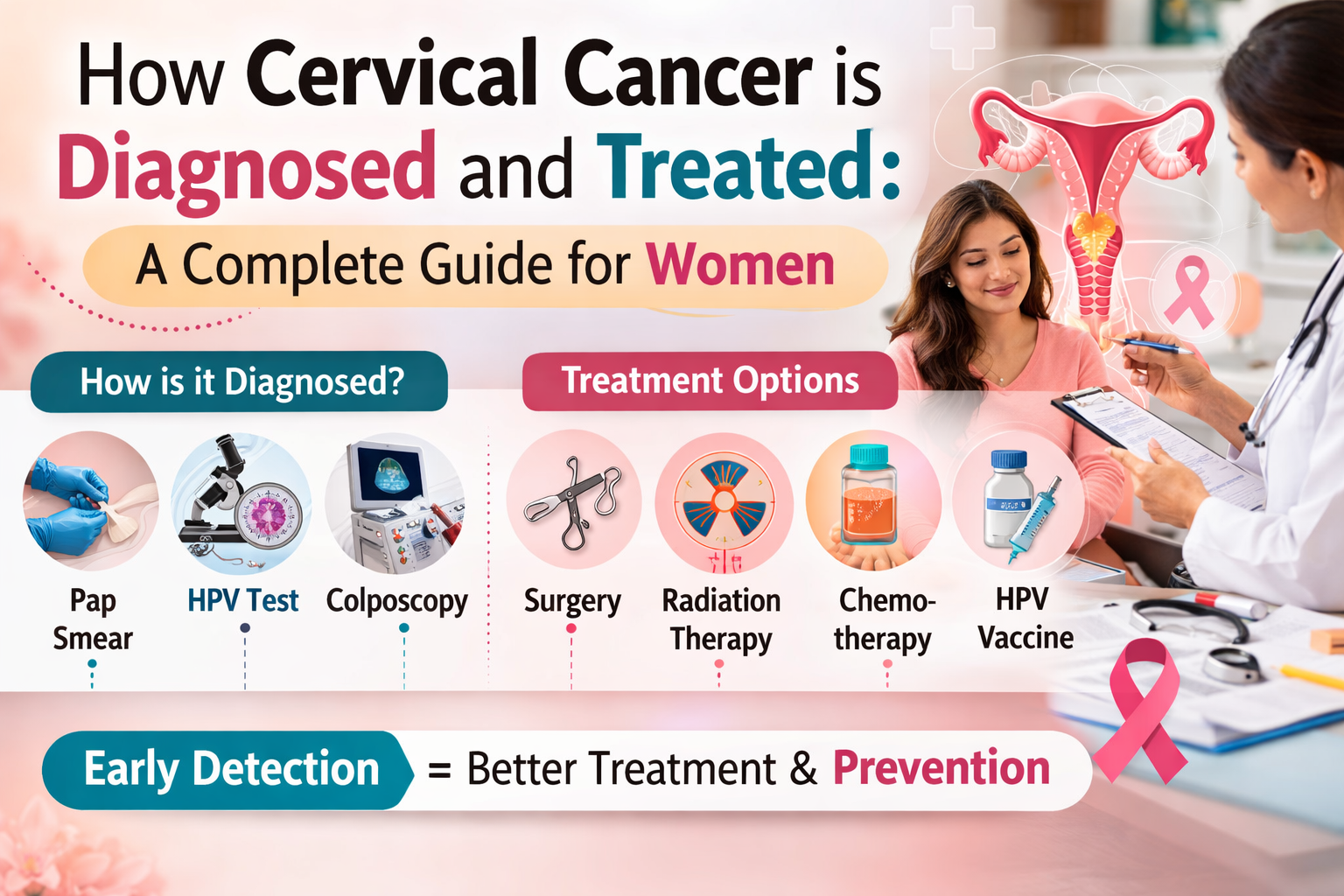
Cervical cancer screening can identify abnormal cervical cells or high-risk HPV infection before cervical cancer develops.
Common screening methods include:
- HPV testing
- Pap testing
- HPV/Pap co-testing in appropriate age groups
The recommended method and interval depend on age, previous test results, vaccination history, and individual medical circumstances.
3. Colorectal Cancer Screening
Colorectal cancer screening may detect early cancer or precancerous growths such as polyps.
Depending on age and risk, screening can include:
- Stool-based tests
- Colonoscopy
- CT colonography
- Flexible sigmoidoscopy
The appropriate screening method should be selected after discussing individual risks and benefits with a doctor.
4. Lung Cancer Screening
Low-dose CT scanning may be recommended for certain adults at increased risk of lung cancer because of their age and significant smoking history.
It is important to understand that a routine chest X-ray is not considered an equivalent screening test for lung cancer in high-risk individuals.
People who currently smoke or previously smoked should discuss lung cancer screening and smoking cessation with a healthcare professional.
5. Prostate Cancer Screening
Prostate cancer screening may involve a prostate-specific antigen (PSA) blood test and, in some situations, a digital rectal examination.
PSA testing is not automatically recommended for every man. The decision should consider age, family history, race-related risk, overall health, and the potential benefits and harms of screening.
A doctor can help men make an informed decision about whether prostate cancer screening is appropriate.
6. Oral Cancer Screening
Oral examination can help identify suspicious changes in the mouth, particularly in people with risk factors such as tobacco or alcohol use.
During an examination, a healthcare professional may look for:
- Persistent mouth ulcers
- White or red patches
- Unusual lumps
- Changes in the lining of the mouth
- Persistent throat or swallowing problems
Any abnormal finding may require further evaluation.
7. Skin Cancer Screening
A clinical skin examination may help identify suspicious moles or skin changes. People with a higher risk of skin cancer may benefit from professional evaluation.
Changes that deserve attention include:
- A new unusual mole
- A mole that changes in size or shape
- Changes in colour
- Persistent bleeding
- A sore that does not heal
People should consult a dermatologist or appropriate specialist when they notice concerning skin changes.
When Should You Get Cancer Screening?
Cancer Screening Tests do not follow one schedule for everyone. The appropriate age to begin screening and the frequency of testing depend on the specific cancer, individual risk factors, and the screening method.
For example:
- Breast cancer screening is generally based on age and individual risk.
- Cervical cancer screening follows age-specific recommendations.
- Colorectal cancer screening is generally recommended beginning in adulthood, with the starting age depending on current guidelines and individual risk.
- Lung cancer screening is intended for selected people with significant smoking histories.
- Prostate cancer screening should involve an informed discussion about potential benefits and risks.
People with strong family histories or genetic cancer syndromes may need screening earlier or more frequently than the general population.
Who Should Consider Cancer Screening?
Cancer Screening in Bhopal may be especially important for individuals who have an increased risk of cancer.
You may need to discuss screening with a healthcare professional if you have:
- A close relative with cancer
- Multiple family members with the same or related cancers
- A known inherited cancer-related genetic mutation
- Previous abnormal screening results
- Previous precancerous lesions
- A personal history of cancer
- Long-term tobacco exposure
- Other recognized cancer risk factors
Having a risk factor does not mean that you will develop cancer. It simply means that individualized medical advice may be important.
Screening Tests vs Diagnostic Tests
It is important to understand the difference between screening and diagnosis.
Screening
Screening is generally performed when a person has no symptoms, with the aim of detecting cancer or precancerous changes early.
What Happens After an Abnormal Screening Result?
Cancer Screening Tests can sometimes produce abnormal results that require additional evaluation. This does not necessarily mean that cancer is present.
Depending on the test, the doctor may recommend:
- Repeat testing
- Additional imaging
- Specialist consultation
- Endoscopic examination
- Biopsy
- Pathology testing
- Short-term follow-up
The next step depends on the screening test, the result, the patient’s medical history, and overall risk.
It is important not to panic after an abnormal screening report. Instead, follow-up evaluation should be completed as recommended.
Symptoms Should Not Be Ignored
Cancer Screening in Bhopal is intended for people who may not have symptoms. If symptoms are already present, a person should not wait for a routine screening appointment.
Symptoms that require medical evaluation may include:
- Unexplained weight loss
- Persistent fatigue
- Unexplained bleeding
- A new lump or swelling
- Persistent cough
- Difficulty swallowing
- Changes in bowel habits
- Changes in urination
- Persistent abdominal discomfort
- A sore that does not heal
- Unexplained or persistent pain
These symptoms can occur because of many conditions other than cancer, but persistent or unexplained symptoms should be evaluated by a healthcare professional.
Role of Family History in Cancer Screening
Family history can influence recommendations for Cancer Screening Tests. A person may have a higher risk when close relatives have developed certain cancers, particularly at a younger age or when several family members are affected.
During a consultation, doctors may consider:
- Which relatives had cancer
- The type of cancer
- Age at diagnosis
- Number of affected family members
- Previous personal medical history
- Possible inherited cancer syndromes
Some individuals may benefit from genetic counseling or genetic testing when their family history suggests an inherited cancer risk.
How to Prepare for Cancer Screening
Preparation depends on the specific screening test. Before your appointment, you may need to:
- Provide your medical history
- Inform the doctor about previous screening results
- Share relevant family history
- Provide a list of medicines
- Follow fasting instructions if required
- Follow bowel preparation instructions for certain tests
- Inform the healthcare team about previous surgeries or medical conditions
Following preparation instructions carefully can help ensure that the test is performed effectively.
Why Choose Krishna Cancer Hospital for Cancer Care?
Krishna Cancer Hospital in Bhopal provides comprehensive oncology services with an emphasis on accurate diagnosis, personalized treatment planning, modern medical technology, and compassionate patient care.
The hospital’s facilities include:
- 24×7 healthcare support
- 30-bedded hospital facility
- Modern ICU facilities
- Fully equipped pathology laboratory
- Digitalized X-ray unit
- 24-hour pharmacy
- Private rooms
- General wards
- Modular operation theatre
- Experienced oncology professionals
- Personalized treatment planning
The hospital’s approach focuses on supporting patients from evaluation and diagnosis through treatment and recovery.
About Krishna Cancer Hospital
Krishna Cancer Hospital is a professionally managed cancer hospital in Bhopal focused on quality-driven and personalized oncology care. Established in 2018, the hospital provides services designed around patient comfort, safety, accurate diagnosis, and individualized treatment.
The hospital’s oncology team works closely with patients to understand their condition and develop appropriate treatment plans. Depending on the cancer type and clinical requirements, treatment may involve chemotherapy, targeted therapy, surgery, or a combination of different approaches.
The hospital also emphasizes emotional and family support because cancer affects not only the patient but also the people involved in their care.
Advanced Cancer Care at Krishna Cancer Hospital
Cancer Screening Tests in Bhopal are only one part of a complete cancer-care pathway. When screening identifies a concerning finding, appropriate diagnostic evaluation and treatment planning may be required.
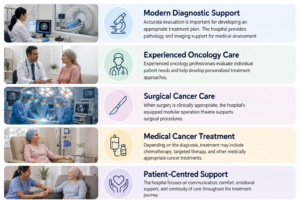
Krishna Cancer Hospital provides cancer care supported by:
Modern Diagnostic Support
Accurate evaluation is important for developing an appropriate treatment plan. The hospital provides pathology and imaging support for medical assessment.
Experienced Oncology Care
Experienced oncology professionals evaluate individual patient needs and help develop personalized treatment approaches.
Surgical Cancer Care
When surgery is clinically appropriate, the hospital’s equipped modular operation theatre supports surgical procedures.
Medical Cancer Treatment
Depending on the diagnosis, treatment may include chemotherapy, targeted therapy, and other medically appropriate cancer treatments.
Patient-Centred Support
The hospital focuses on communication, comfort, emotional support, and continuity of care throughout the treatment journey.
Why Early Cancer Detection Matters
Cancer Screening in Bhopal can help identify certain cancers before they produce noticeable symptoms. Early identification may allow treatment to begin sooner and can sometimes reduce the complexity of treatment.
However, screening should always be appropriate for the individual. More screening is not necessarily better, because tests can also produce false-positive results, unnecessary investigations, anxiety, and other potential harms.
The best approach is to discuss your age, health history, family history, and risk factors with a qualified healthcare professional.
Summary
Cancer Screening Tests are an important part of preventive healthcare for several common cancers. Mammography, cervical cancer screening, colorectal cancer screening, and low-dose CT screening for selected high-risk smokers are examples of screening approaches used in appropriate populations.
Screening recommendations depend on age, sex, personal health history, family history, risk factors, and the type of cancer. An abnormal screening result does not automatically mean that cancer is present; additional diagnostic testing may be required.
At Krishna Cancer Hospital in Bhopal, patients can access comprehensive oncology care, including evaluation, diagnosis, personalized treatment planning, chemotherapy, targeted therapy, surgical care, and supportive services.
FAQs – Cancer Screening Tests in Bhopal
What are Cancer Screening Tests?
Cancer Screening Tests are medical tests used to look for certain cancers or precancerous changes in people who may not have symptoms.
At what age should cancer screening begin?
There is no single age for all cancer screenings. The recommended age depends on the type of cancer, screening test, individual risk factors, family history, and current medical guidelines.
Which cancers have screening tests?
Established screening approaches are available for several cancers, including breast, cervical, colorectal, and lung cancer in appropriate populations. Prostate cancer screening may also be considered after discussing individual risks and benefits.
Can cancer screening detect cancer early?
Yes. The purpose of screening is to identify certain cancers or precancerous changes at an earlier stage, sometimes before symptoms develop.
Does an abnormal screening test mean I have cancer?
No. An abnormal screening result does not automatically mean cancer. Additional diagnostic tests may be needed to determine the cause of the abnormal result.
Who needs cancer screening?
Screening recommendations depend on age, sex, personal medical history, family history, and other risk factors. People at increased risk may require individualized screening recommendations.
Can people without symptoms get cancer screening?
Yes. Screening is specifically designed for people who may not have symptoms but belong to an age or risk group for which screening is recommended.
What should I do if I have a family history of cancer?
Inform your doctor about the type of cancer, the affected relative, and their age at diagnosis. Depending on your family history, earlier screening or genetic counseling may be appropriate.
Where can I get cancer screening in Bhopal?
Krishna Cancer Hospital in Bhopal provides comprehensive cancer-care services and supports patients with evaluation, diagnostic assessment, treatment planning, and oncology care.
Conclusion – Cancer Screening Tests: Which Tests Are Recommended and When Should You Get Screened?
Cancer Screening Tests in Bhopal can play an important role in identifying certain cancers and precancerous changes at an earlier stage. However, screening is not the same for everyone. The right test and screening schedule depend on age, sex, personal medical history, family history, lifestyle, and individual risk factors.
People should not wait for symptoms when they belong to an age or risk group for which screening is recommended. At the same time, symptoms such as unexplained bleeding, persistent cough, unusual lumps, unexplained weight loss, or other concerning changes should be medically evaluated rather than waiting for routine screening.
Krishna Cancer Hospital, established in 2018, provides patient-focused oncology care in Bhopal with modern diagnostic facilities, pathology services, ICU support, a modular operation theatre, experienced oncology professionals, and personalized treatment planning.
Early awareness, appropriate screening, timely diagnosis, and individualized treatment can together form an important part of comprehensive cancer care.