
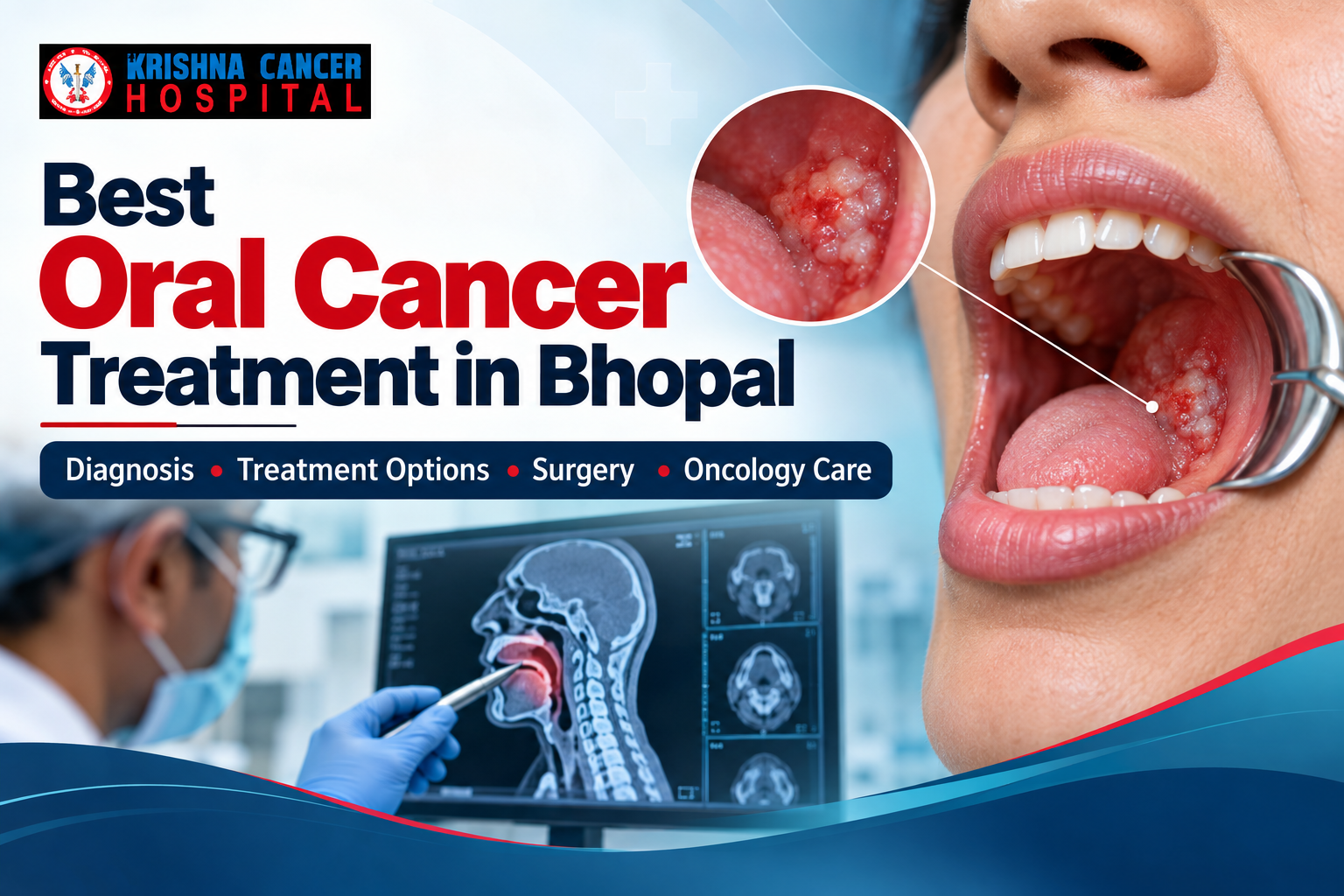
Oral cancer can affect different structures of the mouth, including the lips, tongue, gums, inner cheeks, floor of the mouth, palate and other oral tissues. Persistent mouth ulcers, unexplained bleeding, a lump, difficulty swallowing, changes in voice, loose teeth or a patch that does not heal may require medical evaluation. Early assessment is important because treatment planning depends on the location, size, stage and biological characteristics of the cancer. For patients looking for best oral cancer treatment in Bhopal, understanding the disease and available treatment approaches is an important first step. Oral cancer management may involve surgery, radiation therapy, chemotherapy, targeted therapy, immunotherapy or a combination of these treatments depending on the individual diagnosis.
Krishna Cancer Hospital, Bhopal, provides cancer-focused medical care with facilities including a pathology laboratory, ICU support, diagnostic imaging, pharmacy services and a modular operation theatre. Dr. Sunil Kumar, Senior Consultant – Medical Oncology, has experience in managing complex oncology cases and cancer treatment planning.
What Is Oral Cancer?
Oral cancer refers to malignant growth that develops in tissues of the mouth. It may occur on the tongue, gums, lips, inner lining of the cheeks, floor of the mouth or palate. Most oral cancers are squamous cell carcinomas, although other less common types can also occur. The disease can initially produce subtle symptoms. A small ulcer or patch may appear similar to an ordinary mouth injury. However, symptoms that persist or progressively worsen should not be ignored. A comprehensive approach to best oral cancer treatment in Bhopal begins with establishing an accurate diagnosis rather than choosing treatment based only on symptoms.
Common Symptoms of Oral Cancer
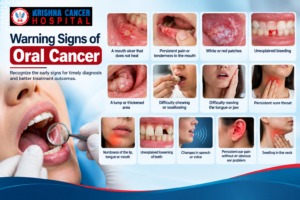
Symptoms can vary according to the location and stage of the disease. Common warning signs include:
- A mouth ulcer that does not heal
- Persistent pain or tenderness in the mouth
- White or red patches
- Unexplained bleeding
- A lump or thickened area
- Difficulty chewing or swallowing
- Difficulty moving the tongue or jaw
- Persistent sore throat
- Numbness of the lip, tongue or mouth
- Unexplained loosening of teeth
- Changes in speech or voice
- Persistent ear pain without an obvious ear problem
- Swelling in the neck
A symptom does not automatically mean cancer. Many oral conditions can cause similar complaints. Examination and appropriate diagnostic testing are necessary to identify the actual cause. Patients researching Oral Cancer Specialist in Bhopal services should understand that specialist evaluation may include examination of the oral cavity, neck and lymph nodes, followed by investigations when clinically indicated.
What Causes Oral Cancer?
Oral cancer can develop through multiple interacting risk factors. Tobacco exposure is one of the most important preventable risk factors. Smoking cigarettes, bidis and other tobacco products can increase cancer risk. Smokeless tobacco products, chewing tobacco and areca nut preparations are also associated with oral cancer. Alcohol consumption can further increase risk, particularly when combined with tobacco exposure. Other factors may include human papillomavirus infection in certain oral and throat cancers, chronic irritation, poor nutritional status and previous cancer history.
However, oral cancer can also occur in people without obvious risk factors. Therefore, persistent symptoms should not be dismissed simply because a person does not smoke or consume alcohol. Understanding these factors helps doctors discuss prevention alongside Mouth Cancer Treatment in Bhopal, particularly when lifestyle-related risks are identified.
Who Is at Higher Risk of Oral Cancer?
Certain groups have a greater likelihood of developing oral cancer. These may include:
- People who use tobacco regularly.
- Individuals who chew tobacco or areca nut products.
- People with significant alcohol exposure.
- Individuals with a previous history of oral or head-and-neck cancer.
- People with certain HPV-related cancers.
- Individuals with prolonged exposure to recognised risk factors.
Age can also influence risk, although younger people are not completely protected from oral cancer. The question of who needs cancer evaluation? is important. Anyone with a persistent mouth lesion, unexplained bleeding, progressive swelling, difficulty swallowing or a non-healing ulcer should discuss the symptom with an appropriate healthcare professional.
How Is Oral Cancer Diagnosed?
Accurate diagnosis is central to treatment planning. A doctor may begin with a detailed medical history and physical examination. The mouth, tongue, gums, throat and neck may be examined for suspicious abnormalities.
1. Clinical Examination
The first step generally involves inspecting the affected area and checking nearby tissues and lymph nodes. The doctor may also ask about tobacco, alcohol, previous illnesses, medications and the duration of symptoms.
2. Biopsy
A biopsy is commonly required when a suspicious lesion needs to be evaluated for cancer. During a biopsy, a tissue sample is collected and examined by a pathologist. The pathology report can help establish whether malignant cells are present and may provide information important for treatment planning.
3. Imaging
Depending on the suspected location and extent of disease, doctors may recommend imaging such as CT, MRI or other appropriate scans. Imaging can help evaluate the primary tumour and surrounding structures.
4. Additional Testing
Some patients may require additional investigations to determine whether the disease has spread to lymph nodes or distant organs. The exact tests depend on the clinical situation.This diagnostic process forms the foundation for best oral cancer treatment in Bhopal, because treatment should be based on confirmed pathology and appropriate staging.
Understanding Oral Cancer Staging
Cancer staging describes the extent of disease. It generally considers factors such as:
- Size and local extent of the primary tumour
- Involvement of nearby lymph nodes
- Spread to distant parts of the body
Early-stage oral cancer may be limited to the primary site, whereas more advanced disease can involve nearby structures or lymph nodes. Staging helps the oncology team determine whether treatment should primarily involve surgery, radiation, systemic therapy or a combination. For patients seeking Oral Cancer Specialist in Bhopal, staging is an important part of specialist oncology assessment because the same treatment is not appropriate for every patient.
What Are the Treatment Options for Oral Cancer?
Treatment is selected according to the cancer’s location, stage, pathology, overall health and treatment goals. Common approaches include surgery, radiation therapy and systemic treatment.
1. Surgery
Surgery may be recommended when the cancer can be removed safely. Depending on the tumour, surgery may involve removing the primary lesion and, in selected cases, nearby lymph nodes. The extent of surgery varies considerably. Small lesions may require a more limited procedure, while larger or more advanced cancers may require more extensive reconstruction or combined treatment.
Oral Cancer Surgery in Bhopal should therefore be understood as a treatment category rather than one single procedure. The surgical approach is determined by the location and extent of the tumour.
2. Radiation Therapy
Radiation therapy uses high-energy radiation to damage cancer cells. It may be used after surgery when there is a significant risk of recurrence, or it may form an important part of treatment for selected patients who are not undergoing surgery.
Radiation treatment can also be combined with systemic therapy in certain locally advanced cancers.
3. Chemotherapy
Chemotherapy uses medicines that act against rapidly dividing cancer cells. Depending on the diagnosis, chemotherapy may be used before surgery, after surgery, together with radiation, or for advanced disease.
The specific drugs, schedule and duration depend on the patient’s cancer type and treatment plan.
4. Targeted Therapy
Targeted medicines work against specific molecular features involved in cancer growth. They are appropriate only when the relevant biological characteristics are present and when the treatment is clinically suitable.
5. Immunotherapy
Immunotherapy helps the immune system recognise and attack cancer cells. It may be considered in selected advanced or recurrent cancers depending on pathology, biomarkers and previous treatments.
These treatments may be used independently or in combination. The oncology team determines the appropriate approach after reviewing diagnostic and staging information.
When Is Oral Cancer Surgery Considered?
Surgery is often an important treatment option for cancers that are localised and technically removable. However, not every oral cancer requires the same type or extent of surgery.
The decision may depend on:
- Tumour size
- Exact anatomical location
- Involvement of surrounding structures
- Lymph-node involvement
- Previous treatment
- Overall health
- Expected functional outcomes
The purpose of Oral Cancer Surgery in Bhopal is not simply to remove visible abnormal tissue. Surgical planning may also consider adequate cancer clearance and preservation of important functions wherever possible. Patients should discuss the expected procedure, possible complications, reconstruction requirements and recovery process with the treating surgical team.
What Is Mouth Cancer Treatment?
The term mouth cancer includes cancers arising in different areas of the oral cavity. Because these locations differ anatomically, treatment can vary. For example, a small lesion on the lip may require a different approach from a tumour involving the tongue or floor of the mouth. Similarly, lymph-node involvement may change the overall treatment strategy.
Therefore, Mouth Cancer Treatment in Bhopal should be based on the exact site and stage rather than a generic treatment protocol. A multidisciplinary approach can be valuable when treatment involves more than one modality. Surgeons, medical oncologists, radiation oncologists, pathologists, radiologists and other healthcare professionals may contribute to treatment planning depending on the case.
Tongue Cancer and Its Treatment
The tongue is one of the most frequently affected sites within the oral cavity. Tongue cancer may present with a persistent ulcer, pain, bleeding, difficulty moving the tongue, speech changes or swallowing problems.
The treatment depends on tumour size, location, depth and spread to nearby lymph nodes.
Tongue Cancer Treatment in Bhopal may involve surgery, radiation therapy, systemic treatment or a combination. In selected cases, surgery is the main treatment, while additional therapy may be recommended according to pathology and stage. Functional considerations are particularly important in tongue cancer because treatment can affect speech, swallowing and oral function. These factors should be considered during treatment planning.
Who Performs Oral Cancer Treatment?
There is usually no single professional responsible for every aspect of cancer management. Different specialists may participate according to the patient’s diagnosis.
A head-and-neck or cancer surgeon may manage surgical treatment. A radiation oncologist may plan radiation therapy. A medical oncologist manages systemic therapies such as chemotherapy, targeted treatment or immunotherapy when indicated. Dr. Sunil Kumar is a Medical Oncologist and currently serves as Senior Consultant – Medical Oncology at Krishna Cancer Hospital, Bhopal. He has previously worked at JNCH, Bhopal and AIIMS, Bhopal, gaining experience in complex oncology cases. For patients researching Oral Cancer Specialist in Bhopal, understanding the role of a medical oncologist is particularly useful when chemotherapy, targeted therapy or immunotherapy is being considered.
Dr. Sunil Kumar – Medical Oncologist in Bhopal
Dr. Sunil Kumar is an experienced Medical Oncologist involved in the diagnosis and medical management of cancer. His professional experience includes working with patients requiring complex oncology treatment planning. He has previously served as a Consultant at JNCH, Bhopal and AIIMS, Bhopal. He currently serves as Senior Consultant – Medical Oncology at Krishna Cancer Hospital, Bhopal. His area of work includes medical oncology and systemic cancer treatment, where treatment decisions are based on cancer type, stage, pathology and individual patient factors. For individuals seeking best oral cancer treatment in Bhopal, a medical oncology consultation can help determine whether systemic treatment is appropriate and how it may fit into a broader treatment plan.
Krishna Cancer Hospital, Bhopal
Krishna Cancer Hospital is a professionally managed cancer hospital in Bhopal focused on cancer diagnosis, treatment and supportive care. According to the information provided by the hospital, the facility operates as a 24×7, 30-bedded centre and includes modern ICU facilities, a pathology laboratory, a digitalised X-ray unit, a 24-hour pharmacy, private rooms and general wards.
The hospital also has a modular operation theatre for procedures requiring surgical facilities. Monitoring systems are available for parameters such as heart rate, oxygen saturation and blood pressure. These facilities can support different stages of cancer care, from diagnostic evaluation to treatment and monitoring. Patients considering Oral Cancer Treatment in Shahpura, Bhopal may need to evaluate the complete treatment pathway rather than focusing only on the hospital’s location. Cancer care often requires coordination between diagnostics, surgery, oncology, pathology and follow-up.
Oral Cancer Treatment Near Shahpura and Other Bhopal Areas
Patients may search for treatment using the locality closest to their home. For example, someone looking for Oral Cancer Treatment in Shahpura, Bhopal may be comparing specialist availability, diagnostic facilities and access to oncology services.
Similarly, people searching for Oral Cancer Treatment in Trilanga, Bhopal may want information about cancer diagnosis, medical oncology and treatment options available within Bhopal.
Local searches should ultimately be evaluated based on clinical suitability. A nearby facility can be convenient, but the availability of the appropriate cancer specialists and treatment modalities is more important when making healthcare decisions.
For residents considering Oral Cancer Treatment in Arera Colony, Bhopal, the same principle applies. The exact diagnosis and stage should determine the treatment pathway.
How Is Treatment Planned for Each Patient?
Cancer treatment should not be based on a single symptom or scan. A typical treatment-planning process may involve:
Step 1: Confirmation of Diagnosis
The pathology report establishes whether the lesion is malignant and identifies the cancer type.
Step 2: Staging
Imaging and other investigations help determine the extent of disease.
Step 3: Specialist Review
Depending on the diagnosis, surgeons, medical oncologists and radiation oncologists may review the case.
Step 4: Treatment Selection
The team determines whether surgery, radiation, systemic treatment or combined therapy is appropriate.
Step 5: Supportive Care
Nutrition, pain control, oral hygiene, swallowing support and psychological care may be important during treatment. This structured approach is relevant to best oral cancer treatment in Bhopal because treatment decisions should be individualised rather than based on a one-size-fits-all approach.
Role of a Medical Oncologist in Oral Cancer
A medical oncologist focuses on cancer treatment using medicines. Depending on the disease, these can include chemotherapy, targeted therapy and immunotherapy.
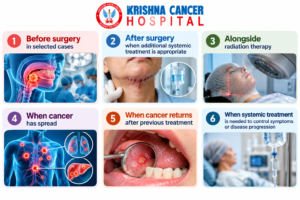
The medical oncologist may become involved:
- Before surgery in selected cases
- After surgery when additional systemic treatment is appropriate
- Alongside radiation therapy
- When cancer has spread
- When cancer returns after previous treatment
- When systemic treatment is needed to control symptoms or disease progression
An Oral Cancer Specialist in Bhopal may therefore be involved at different stages depending on the patient’s treatment plan. The choice of medicine is influenced by pathology, tumour stage, biomarkers, previous treatment, kidney and liver function, age and overall health.
What Should Patients Expect During Treatment?
Cancer treatment is different for every patient. Some people undergo surgery followed by additional treatment, while others may receive radiation or systemic therapy. Side effects depend on the treatment modality.
Possible effects of chemotherapy
These can include:
- Fatigue
- Nausea
- Reduced appetite
- Changes in blood counts
- Increased infection risk
- Hair loss with some medicines
- Mouth-related symptoms
Possible effects of radiation therapy
Radiation involving the mouth and throat may cause:
- Mouth soreness
- Difficulty swallowing
- Dry mouth
- Taste changes
- Skin irritation in the treated region
- Fatigue
Not every patient experiences all of these effects, and supportive medicines and nutritional measures can help manage treatment-related problems.
Recovery and Follow-Up After Treatment
Follow-up is an essential part of cancer care. After treatment, doctors may schedule regular examinations and investigations to monitor recovery and look for signs of recurrence. The follow-up schedule depends on the cancer stage, treatment received and individual clinical circumstances. After Oral Cancer Surgery in Bhopal, recovery may involve wound care, nutritional support, speech or swallowing rehabilitation and monitoring for complications, depending on the procedure. Patients should also report new or persistent symptoms rather than waiting for the next scheduled appointment.
Why Early Evaluation Matters
Early diagnosis can make treatment planning more straightforward in many cancers. A small persistent oral lesion may be easier to evaluate and manage than a disease that has progressed to surrounding tissues or lymph nodes. However, the presence of an oral symptom does not necessarily indicate cancer. The important point is to identify persistent or suspicious abnormalities early. People searching for Mouth Cancer Treatment in Bhopal should therefore focus first on obtaining an appropriate examination and diagnosis. Avoiding tobacco and areca nut products, limiting alcohol, maintaining oral hygiene and seeking medical assessment for persistent abnormalities are important preventive measures.
Who Should Seek an Oncology Opinion?
An oncology opinion may be appropriate when:
- A biopsy confirms cancer.
- Imaging suggests a malignant lesion.
- Cancer has spread to lymph nodes.
- Surgery has been recommended and additional treatment is being considered.
- The disease has returned after earlier treatment.
- Systemic therapy may be required.
- The treating doctor needs multidisciplinary input.
Someone looking for best oral cancer treatment in Bhopal should ideally bring pathology reports, imaging reports, previous treatment records and medication information to the specialist appointment.
When Should a Mouth Lesion Be Checked?
A mouth lesion should receive medical attention when it persists, enlarges, repeatedly bleeds or is accompanied by other concerning symptoms.
Particular attention is warranted for:
- Non-healing ulcers
- Persistent red or white patches
- Unexplained lumps
- Persistent pain
- Difficulty swallowing
- Unexplained numbness
- Changes in speech
- Neck swelling
Not every abnormality is cancer, but persistent symptoms deserve appropriate evaluation.
For people considering Oral Cancer Treatment in Shahpura, Bhopal, early evaluation can help establish whether the problem is an infection, trauma, precancerous lesion or malignancy.
Cancer Care for Patients From Different Parts of Bhopal
Bhopal residents may travel from different localities for specialist cancer care. Patients from Shahpura, Trilanga, Arera Colony and surrounding areas may require access to diagnostic and oncology services depending on their condition. Those searching for Oral Cancer Treatment in Trilanga, Bhopal should consider whether the facility provides access to the specialists and investigations relevant to their diagnosis.
Likewise, patients searching for Oral Cancer Treatment in Arera Colony, Bhopal may benefit from understanding the complete treatment pathway before selecting where to undergo evaluation. Location is useful for convenience, but cancer treatment decisions should primarily be guided by diagnosis, stage and the appropriate medical team.
Frequently Asked Questions About Oral Cancer Treatment
1. Can every mouth ulcer be cancer?
No. Most mouth ulcers are not cancer. However, an ulcer that does not heal, repeatedly returns or develops alongside other concerning symptoms should be medically evaluated.
2. Is a biopsy painful?
A biopsy is generally performed using local anaesthesia or another appropriate form of anaesthesia depending on the procedure. Patients may experience temporary soreness afterward.
3. Does oral cancer always require surgery?
No. Treatment depends on cancer type, location, stage and overall health. Some patients may require surgery, while others may receive radiation, systemic therapy or combined treatment.
4. Can oral cancer come back after treatment?
Yes. Recurrence is possible, which is why regular follow-up is important. The risk depends on factors including the original cancer stage, pathology and treatment.
5. Can tobacco cessation help after diagnosis?
Stopping tobacco use is important even after cancer has been diagnosed. Continued tobacco exposure can have negative effects on overall health and may increase risks associated with additional cancers.
6. What documents should I bring to an oncology appointment?
Patients should bring biopsy or pathology reports, imaging reports, blood-test results, previous prescriptions, operative reports and details of earlier cancer treatment when available.
7. Is chemotherapy used for all oral cancers?
No. Chemotherapy is used selectively. Its role depends on disease stage, pathology, treatment objectives and whether surgery or radiation is also being used.
8. What is the difference between a surgeon and a medical oncologist?
A cancer surgeon performs operations to remove tumours when surgery is indicated. A medical oncologist manages cancer medicines such as chemotherapy, targeted therapy and immunotherapy.
9. Can oral cancer affect swallowing and speech?
Yes. Depending on its location and treatment, oral cancer can affect chewing, swallowing, tongue movement or speech. Rehabilitation may be required for some patients.
10. What is the role of follow-up after treatment?
Follow-up allows doctors to assess recovery, manage treatment-related effects and monitor for recurrence or new problems.
Conclusion – best oral cancer treatment in Bhopal
Oral cancer requires accurate diagnosis, proper staging and a treatment plan suited to the individual patient. Depending on the disease, treatment may include surgery, radiation therapy, chemotherapy, targeted therapy, immunotherapy or combinations of these approaches. For patients researching best oral cancer treatment in Bhopal, the first priority should be evaluation by an appropriate cancer specialist and confirmation of the diagnosis. Treatment decisions should then be based on pathology, stage, tumour location and overall health.
Krishna Cancer Hospital, Bhopal, provides cancer-focused infrastructure including diagnostic, ICU, pathology, pharmacy and surgical facilities. Dr. Sunil Kumar, Senior Consultant – Medical Oncology, is involved in medical cancer care and systemic treatment planning. Patients looking for Oral Cancer Specialist in Bhopal, Oral Cancer Surgery in Bhopal, or comprehensive oncology services should discuss their individual diagnosis with the relevant specialist rather than relying on generalized treatment information. Early evaluation of persistent oral symptoms can help identify the underlying condition and determine the appropriate next step.